Ask Justine: Clarity. Strategy. Results.
From Ancient Cloth to Modern Calm: The History of Bedsheets & How They Quiet an Anxious Mind
Explore the history of bedsheets, including how ancient traditions and modern psychology demonstrate the role of bedding in anxiety relief and the impact of the sleep environment on anxiety, which can transform your bed into a calming sanctuary.
Justine Sinclair
12/2/20255 min read

From Ancient Cloth to Modern Calm:
The History of Bedsheets & How They Quiet an Anxious Mind
A humanized story of comfort, science, and the rituals that help us breathe again
Most people think bedsheets are boring.
A bedsheet is a rectangular piece of fabric. You should wash them every week, hopefully (but if not, we’re not judging).
Something you flop onto at night and escape from in the morning.
But what's the real story?
Bedsheets are one of the oldest emotional wellness tools humans have ever created.
They were invented not just for comfort but for safety, purity, healing, warmth, and emotional protection.
And the moment you pull a soft sheet over your body, your nervous system reacts exactly the way ancient civilizations intended:
Your breath slows.
Your shoulders drop.
Your mind softens.
Your body whispers, “Finally… I can relax.”
This blog will take you on a gentle, surprising journey—from ancient Egypt all the way to your bedroom—to show why the simple act of lying on a bedsheet has the power to reduce anxiety.
And yes… it also connects beautifully to the MoodWiser philosophy of creating tiny moments of calm in the middle of a chaotic world.
1. Let’s Start With a Truth: Humans Have Always Been Emotional Sleepers
We like to pretend humans have evolved—that we’re sophisticated, advanced, too busy for nonsense…
But at night?
We’re all just… emotional cocoon creatures.
We want warmth.
We want softness.
We want a place where the world cannot reach us.
Even in 3000 BC, humans were the same. Nothing has changed except the thread count.
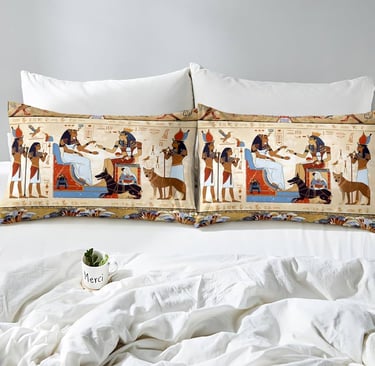
2. Ancient Egypt: Where Bedsheets Meant Purity, Cooling, and Emotional Peace
Egyptians were obsessed with linen.
Not for fashion.
Not for luxury.
Not for influencer aesthetics.
But linen symbolized purity and spiritual cleanliness.
They believed linen protected the body and soul—that a clean sheet kept your spirit calm, balanced, and safe for dreaming.
And honestly? They weren’t wrong.
Modern science shows that clean, soft sheets lower cortisol (the stress hormone) and help the body shift into the parasympathetic nervous system—also known as the “rest and relax” mode.
So yes… when you wash your sheets, you’re not cleaning your bed.
You’re cleansing your mind.
Egyptians understood.
3. Ancient Greece: Bedsheets as a Social Status + Comfort Strategy
Greeks used bedding woven by hand—cotton, flax, or wool—depending on what they could afford.
But here’s what they knew:
A soft bed = a regulated mood.
A regulated mood = a more rational brain.
A more rational brain = fewer questionable decisions.
(If only some of them had softer sheets… maybe half the Greek tragedies wouldn’t exist.)
4. India & China: Cotton as a Healing Fabric
These cultures believed different fabrics held different energies.
Cotton was seen as
calming,
grounding,
gentle,
emotionally stabilizing,
and perfect for sleep.
Today, psychologists agree: natural fibers reduce sensory stress, especially for overthinkers and anxious sleepers.
Synthetic fabric can cause micro-irritation → micro-stress → micro-anxiety.
But cotton?
Your skin goes, “Ahhh. I’m home.”
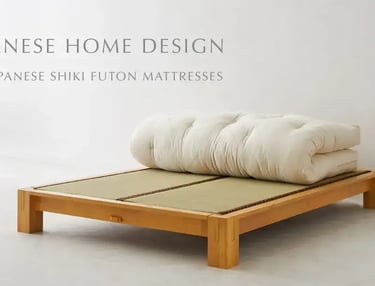
5. Japan: The Minimalist, Anxiety-Reducing Futon Culture
If Japan had a motto for sleep, it would be:
“Your bedroom should not overwhelm your brain.”
And honestly? They nailed it.
The Japanese futon was designed to:
reduce visual clutter
support airflow
regulate temperature
simplify sleep
and calm overstimulated minds
Japan understood something we’re just rediscovering:
A quiet room = a quiet mind.
Soft sheets = emotional safety.
This is EXACTLY the philosophy behind MoodWiser—simple, grounding rituals that help the mind settle.
Your sheets are part of your self-care ecosystem.
6. The Psychology of Bedsheets: Why Your Brain LOVES Them
When your skin touches soft fabric, your brain releases a wave of calming chemicals.
✔ 1. Oxytocin—the “comfort” hormone
Soft textures mimic human touch.
Your brain interprets it as safety.
✔ 2. Serotonin—the “mood balance” hormone
Predictable textures reduce sensory anxiety.
✔ 3. Lower cortisol
Even the sound of pulling sheets over your skin can drop stress levels.
✔ 4. Dopamine from routine
Making your bed in the morning is a tiny “win” that your brain rewards.
Soft fabric = calm body = calm mind.
Science agrees with your grandmother:
“Just lie down. You’ll feel better.”
7. Why Bedsheets Calm Anxiety: The Sensory-Science Breakdown
A bedsheet is more than fabric—it’s a sensory environment.
* Soft textures ease overstimulation
When life feels loud, your nervous system loves anything that feels predictable and gentle.
*Warmth signals safety
Your body evolved to sleep only when safe.
Warm sheets mimic shelter → your brain stops scanning for danger.
* Clean sheets = psychological reset
A fresh sheet signals a “new beginning,” which helps anxious minds release yesterday’s chaos.
* Color psychology
Cool tones (sage, dusty blue, and cloud white) reduce emotional intensity.
Bright reds cause mental alertness and stress.
Your sheet color is literally affecting your mood.
* The “cocoon effect.”
Light pressure reduces heart rate—similar to weighted blankets.
Your ancestors discovered this instinctively.
Modern science simply gave it a name.
8. The Bedsheet Ritual: A Small Habit With a Big Emotional Impact
Here’s where MoodWiser comes in.
If you make your sheets part of a ritual, your brain learns to associate the fabric with calm.
Your room becomes an emotional sanctuary.
Try this nightly ritual:
1. Pull the sheets back slowly
Slow movements tell your nervous system it’s time to relax.
2. Smooth the sheet with your hands
The repetitive motion is grounding, just like Japanese tea whisking.
3. Take one deep breath in the fabric.
The sheets hold a familiar scent, which increases safety signals in the brain.
4. Climb in slowly and exhale intentionally
Your body will respond instantly.
This is not “just a bedsheet.”
This is texture therapy, sensory grounding, and micro-meditation—all rolled into one.
9. Let’s Be Honest: When Your Sheets Are Good, Your Mood Is Good
Bad day?
Lie on your bed.
Anxiety spiraling?
Fresh sheets.
Overthinking?
Touch the blanket. Feel the softness. Allow your mind to dissolve effortlessly.
Someone annoys you?
Honestly… go wash your sheets. The steam alone will calm you.
There is nothing in life that a clean, soft, warm sheet cannot improve—except maybe taxes.
10. Final Thought: Your Sheets Are Your First Sanctuary
When the world feels overwhelming, the smallest, softest things become powerful.
Your bedsheet is one of them.
This has been true for thousands of years.
It still is today.
It is warmth.
It is safe.
It is emotional regulation.
It is history meeting psychology.
It is a ritual meeting of science.
Most importantly…
It is where your nervous system finally whispers:
“I can rest now.”
That is the heart of MoodWiser—turning ordinary routines into moments of emotional peace.
👉 Download MoodWiser today.