Ask Justine: Clarity. Strategy. Results.
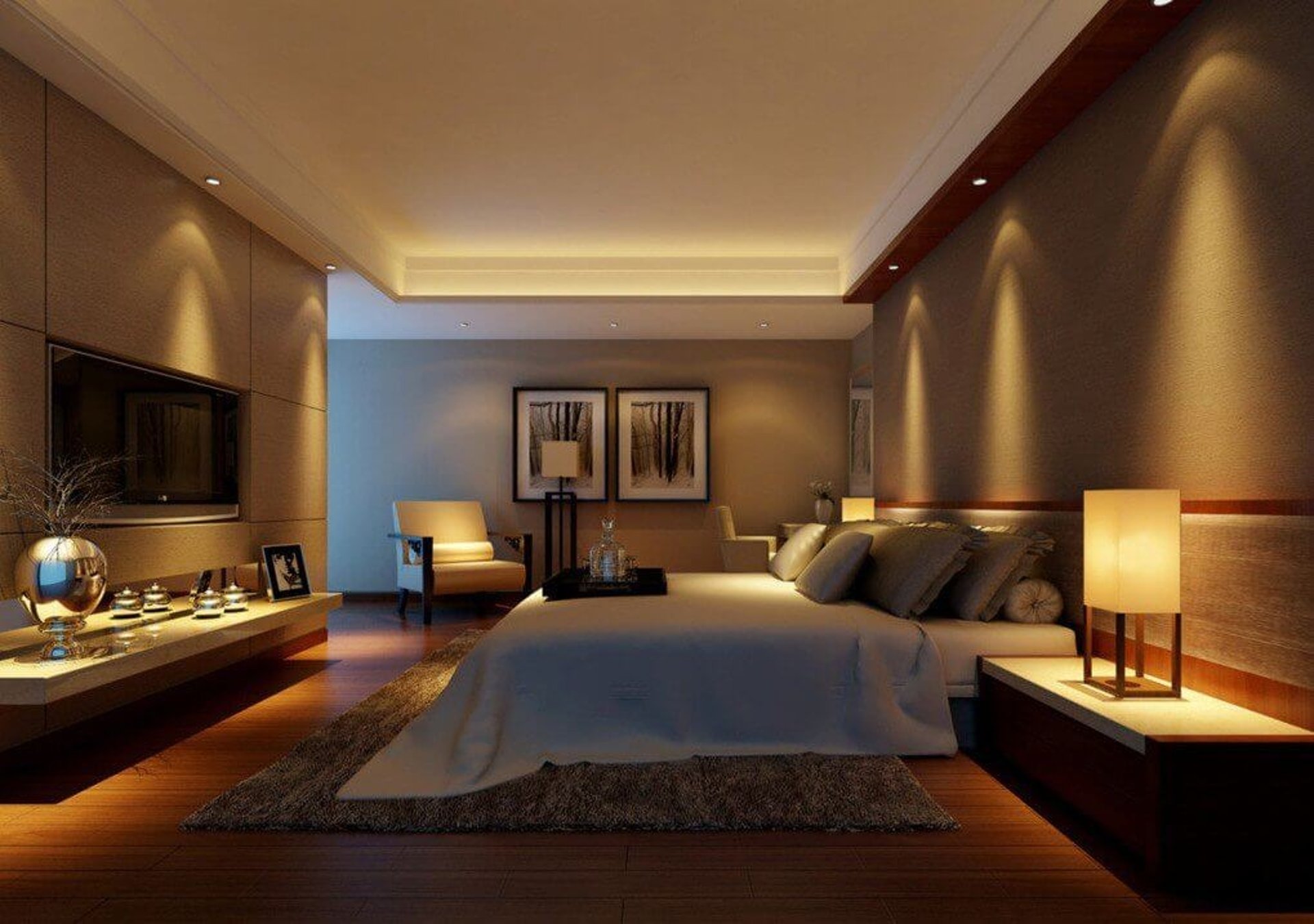
Create a Calm Bedroom for Anxiety Relief
Discover effective strategies to create a calm bedroom for anxiety, reduce nighttime anxiety, and design a sleep environment for anxious minds that promotes deeper rest and emotional tranquility.
Justine Sinclair
12/2/20253 min read
How to Turn Your Bedroom Into a Calm Sanctuary for Anxious Nights
If you struggle with overthinking at night, you already know the truth:
👉 Your bedroom can trigger your anxiety… or calm it.
Psychology and sleep research both show that your environment directly affects your nervous system.
A cluttered, bright, overstimulating bedroom increases cortisol (stress hormone), and a soft, warm, sensory-safe room reduces it.
Below is how to transform your bedroom into a soothing sanctuary—supported by medical and psychological evidence.
🛏 1. Start With Soft, Neutral Bedding
Your skin is the largest sensory organ, and texture plays a huge role in how safe or tense your nervous system feels.
Why it works (research):
Studies in the Journal of Biological Psychology found that soft textures lower the sympathetic nervous system (the “fight or flight” system).
Neutral colors like beige, cream, sage, or brown reduce overstimulation because they are naturally “low-arousal” colors (Color Psychology research).
Choose:
Cotton
Bamboo
Silk pillowcases (also reduce friction and are great for skin and mental comfort)
Weighted blankets with soft plush texture
Weighted blankets have clinical evidence—the American Journal of Occupational Therapy showed they reduce anxiety by increasing deep pressure stimulation, which signals the brain to relax.
🕯 2. Use Warm Lighting, Never Harsh White Lights
Bright white LED lights at night confuse the brain.
What research shows:
Blue-white light suppresses melatonin (Harvard Sleep Medicine study).
Warm amber/yellow light supports the natural circadian rhythm and reduces hyperarousal.
Use instead:
Bedside lamps
Himalayan salt lamps
Warm string lights
Soft amber bulbs
Warm lighting tells your body, “It’s safe. You can rest now.”
🌿 3. Add a Calming Scent (Aromatherapy Research Included)
Your sense of smell has a direct line to the amygdala, the part of the brain that controls emotions and anxiety.
Medical evidence:
Lavender reduces heart rate and anxiety (Frontiers in Behavioral Neuroscience, 2020).
Chamomile improves sleep quality (University of Pennsylvania study).
Jasmine has been shown to have sedative effects similar to Valium on GABA receptors (Wiley Neuroscience reports).
Sandalwood lowers stress by activating the parasympathetic nervous system.
Vanilla decreases the startle reflex and calms emotional tension.
Nighttime scents to try:
Lavender
Chamomile
Sandalwood
Vanilla
Jasmine
Eucalyptus
Use a diffuser or candle (always blow it out before sleep).
Your brain learns, “This scent = relaxation.”
📚 4. Keep One Gentle Bedtime Activity nearby
Instead of scrolling (which spikes dopamine and anxiety), replace it with a soothing analog activity.
Why it helps (research):
The Journal of Sleep Research shows screens before bed increase insomnia and nighttime rumination.
Slow activities reduce brain hyperactivity and increase alpha waves (associated with calm).
Try:
A journal
A soft, slow book
A simple coloring book
Meditation or calming music
These activities “cool down” the mind.
🎧 5. Usesound-softening tools.
Nighttime noise triggers the brain’s alert system.
Research shows:
White noise masks disruptive sounds and improves sleep by 38% (Sleep Medicine Reviews).
Constant low-frequency sound creates a sense of emotional safety, especially for anxious minds.
Tools:
A white noise machine
Fan
Noise-canceling headphones
Rain or ocean sound playlists
Your mind relaxes when it doesn’t have to stay “on guard.”
🪶 6. Declutter Just ONE Area
(Explained With Psychology)**
A messy room is proven to increase anxiety.
Why?
UCLA’s Center on Everyday Lives of Families found:
Clutter increases cortisol
Overstimulates the brain
Makes decision-making harder
But cleaning the whole room is overwhelming.
So choose ONE calm zone:
Nightstand
Bed
Dresser top
The floor area near the bed
A clear visual space is a calmer mental space.
📲 7. Use MoodWiser to Release Your Thoughts
Your brain cannot relax if your thoughts are “unprocessed.”
MoodWiser helps you unload anxiety safely.
Before bed, ask inside the app:
👉 “What is bothering me tonight?”
Let your thoughts out.
Let your mind feel seen.
This activity lowers rumination—the biggest cause of nighttime anxiety.
Psychology calls this “cognitive offloading.”
It reduces mental busyness and improves sleep quality.
💛 Final Thoughts—Your Bedroom Should Protect You, Not Stress You
A calm bedroom is not a luxury.
It is mental health care.
Small changes can have a significant emotional impact.
And remember something important:
Sometimes you go to bed feeling empty, especially when you’re single.
Your mind starts asking:
“Why am I alone?”
“What is wrong with me?”
“Why did this happen?”
But those thoughts create anxiety, not answers.
Instead:
✨ Be thankful for your strength.
✨ Appreciate the peace you have now.
✨ Build a life that feels safe inside and outside your bedroom.
✨ Know that having yourself is already a blessing—not a burden.
Your bedroom should feel like the softest place in your life—
a sanctuary where your mind rests, not fights.